Common Dating Profile Photo Mistakes (and How to Fix Your Photo Set)
Fix common dating profile photo mistakes with research-backed visual tips. Learn how to fix lighting, sequencing, and group shots naturally.
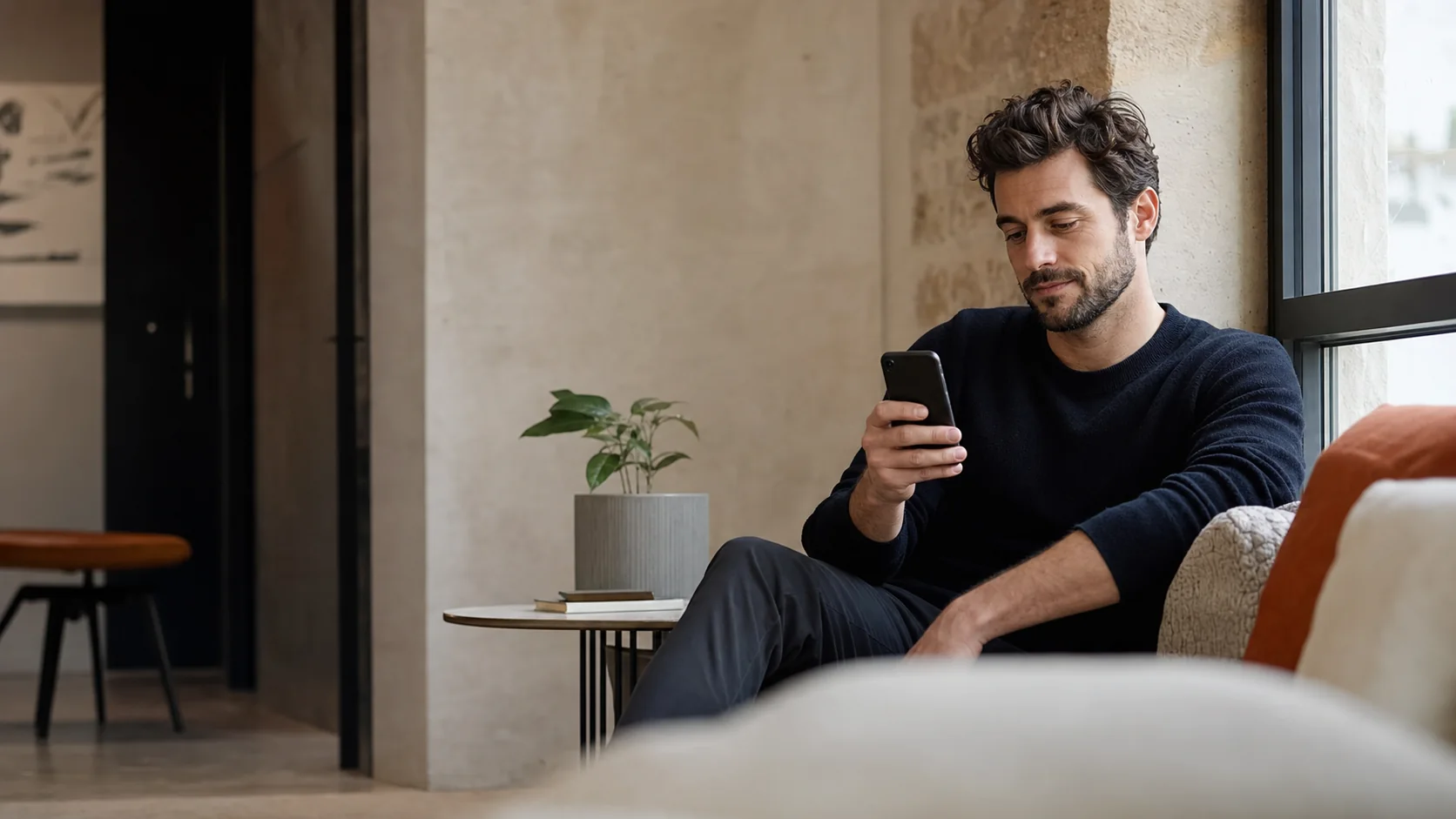
Choosing the right sequence of dating app photos is surprisingly challenging. Even with dozens of photos on your camera roll, it is easy to pick images that obscure your face, confuse viewers, or fail to communicate who you are today. The goal of a strong profile photo set is not perfection or superficial glamor, but clear visual communication and warm approachability. By making a few straightforward adjustments to how you select, frame, and order your pictures, you can remove unnecessary visual friction and present your authentic self with confidence.
Why Choosing Your Own Dating Photos Is Harder Than It Looks
When you look through your own photos, you are not viewing them the way a prospective partner does. You bring memories, context, and emotional associations to every image—remembering how fun that vacation was, or how happy you felt on a specific night out. A stranger swiping through profiles, however, makes a rapid "thin-slice" judgment based purely on visual clarity, lighting, and immediate facial cues. Research shows that profile photos serve as the primary driver of initial visual evaluation on dating platforms, heavily influencing swiping decisions before textual bios are parsed (Revel App Research).
The Self-Selection Trap: Why We Pick the Wrong Lead Shots
Psychological research confirms that humans are surprisingly poor at selecting their own best profile images. According to a peer-reviewed study published in Cognitive Research: Principles and Implications, individuals consistently choose suboptimal photos of themselves for online profiles compared to external observers (PMC Study).
This happens largely because of self-selection bias: we are accustomed to seeing our faces mirrored in bathroom mirrors or front-facing cameras, making unmirrored, candid photos feel unfamiliar or unnatural to us. Furthermore, we often choose lead photos based on personal vanity preferences—focusing on a specific angle, hair day, or memorable moment—rather than whether the photo clearly communicates warmth and approachability to a stranger. Third-party evaluators, lacking our internal biases, consistently choose images that external viewers perceive as more warm, approachable, and authentic.
5 Common Photo Selection Mistakes (and Simple Adjustments)
Fixing your profile photos does not require hiring a professional camera crew or undergoing a total style overhaul. Most visual friction comes from simple mistakes in selection, lighting, and ordering.
1. Leading with a Group Shot ('Where's Waldo?')
- The Mistake: Placing a group photo as your primary profile image forces the viewer to play a guessing game. When someone opens a profile and sees four people at a dinner table, they must scan the remaining photos to figure out who you are.
- The Adjustment: Reserve group shots for secondary or tertiary slots in your profile sequence. Your lead photo should always be a clear solo shot. Social photos are valuable later in the stack because they show you in social settings, but leading with one creates unnecessary cognitive effort.
2. Obscuring Eye Contact with Sunglasses, Hats, or Heavy Filters
- The Mistake: Photos where your eyes are covered by dark sunglasses, shadowed by wide-brimmed hats, or smoothed over with heavy social media filters hide vital facial cues. Eye contact is a primary non-verbal cue used in rapid thin-slice social decisions to gauge open communication.
- The Adjustment: Ensure your first two photos clearly show your eyes and face in natural lighting without heavy digital alterations or face-smoothing filters. Save activity photos with sunglasses (such as skiing or beach shots) for later in your sequence.
3. Over-Relying on Dark or Unflattering Mirror Selfies
- The Mistake: Low-effort mirror selfies taken in dimly lit bathrooms or gym locker rooms often suffer from poor top-down fluorescent lighting and harsh glare. While selfies are not inherently bad, relying exclusively on identical indoor selfies can give the impression of limited effort or context.
- The Adjustment: Swap dark mirror shots for casual, naturally lit photos. You do not need someone else to take every picture—you can set your phone on a shelf or use a tripod with a self-timer near a window with indirect sunlight.
4. The Expectation Gap: Outdated or Heavily Altered Photos
- The Mistake: Using photos from several years ago, or using heavy editing to alter body shape or facial features, creates an expectation-reality gap when meeting in person. Controlled research highlights how context-inappropriate or heavily altered imagery can diminish social appeal and create awkwardness during initial real-world meetings (Hello Love Research).
- The Adjustment: Keep your photo set current—ideally featuring pictures taken within the last 12 to 18 months that reflect your current hairstyle, facial hair, and overall look. Authenticity reduces first-date anxiety for both people.
5. Overlooking Privacy and Location Clues
- The Mistake: Including details like work badges, high-resolution license plates, visible street addresses, or photos of children exposes sensitive personal data. Public profile images can easily be saved, scraped, or reverse-image searched.
- The Adjustment: Audit your background details before uploading. Crop out identifiable work lanyard logos, residential street signs, or sensitive locations. According to safety guidance from the Federal Trade Commission, cross-verifying profile details and practicing photo privacy precautions are critical steps for staying safe online (FTC Romance Scam Guidance). Regulatory actions have also highlighted how dating photos can be processed by third parties without clear user consent (FTC Enforcement Notice).
A Simple 4-Shot Photo Framework That Works
To build a balanced profile, you do not need dozens of photos. A concise, thoughtful set of four to six images is usually ideal. You can learn more about general profile structuring in our guide on how to optimize your dating profile.
Here is a simple 4-shot framework to construct a clear photo set:
- 1. The Anchor Lead (Solo Portrait): A well-lit chest-up photo or headshot where you are looking toward the camera with a warm, natural expression. No sunglasses, hats, or group members.
- 2. The Activity / Interest Shot: A mid-shot or full-body photo showing you engaged in an activity you genuinely enjoy—cooking, hiking, attending a concert, or working on a creative project.
- 3. The Social / Context Shot: A secondary image featuring you in a social setting or candid environment, demonstrating engagement with friends, family, or community.
- 4. The Warm Close-Up or Full-Body Shot: A casual, full-length or three-quarter shot in a natural setting that gives an accurate representation of your overall appearance and style.
Getting Objective Feedback Without Profile Makeover Theatre
Because self-selection bias makes it almost impossible to view our own photos objectively, getting an outside perspective is the single most effective way to improve your photo stack.
You do not need an expensive profile makeover agency or dramatic staged headshots. Instead, ask two or three trusted friends to look through your camera roll and pick the photos where you look most approachable and authentic. Alternatively, if you want non-judgmental automated guidance, you can get a quick profile clarity review or start with a free profile review to evaluate lighting, framing, and visual sequencing objectively.
By focusing on visual clarity, natural light, current photos, and personal privacy, you remove common points of friction and let your profile communicate clearly from the very first glance.
Get Objective Feedback on Your Photo Set
Get an objective, non-judgmental review of your photo sequence.
Review My Photos